

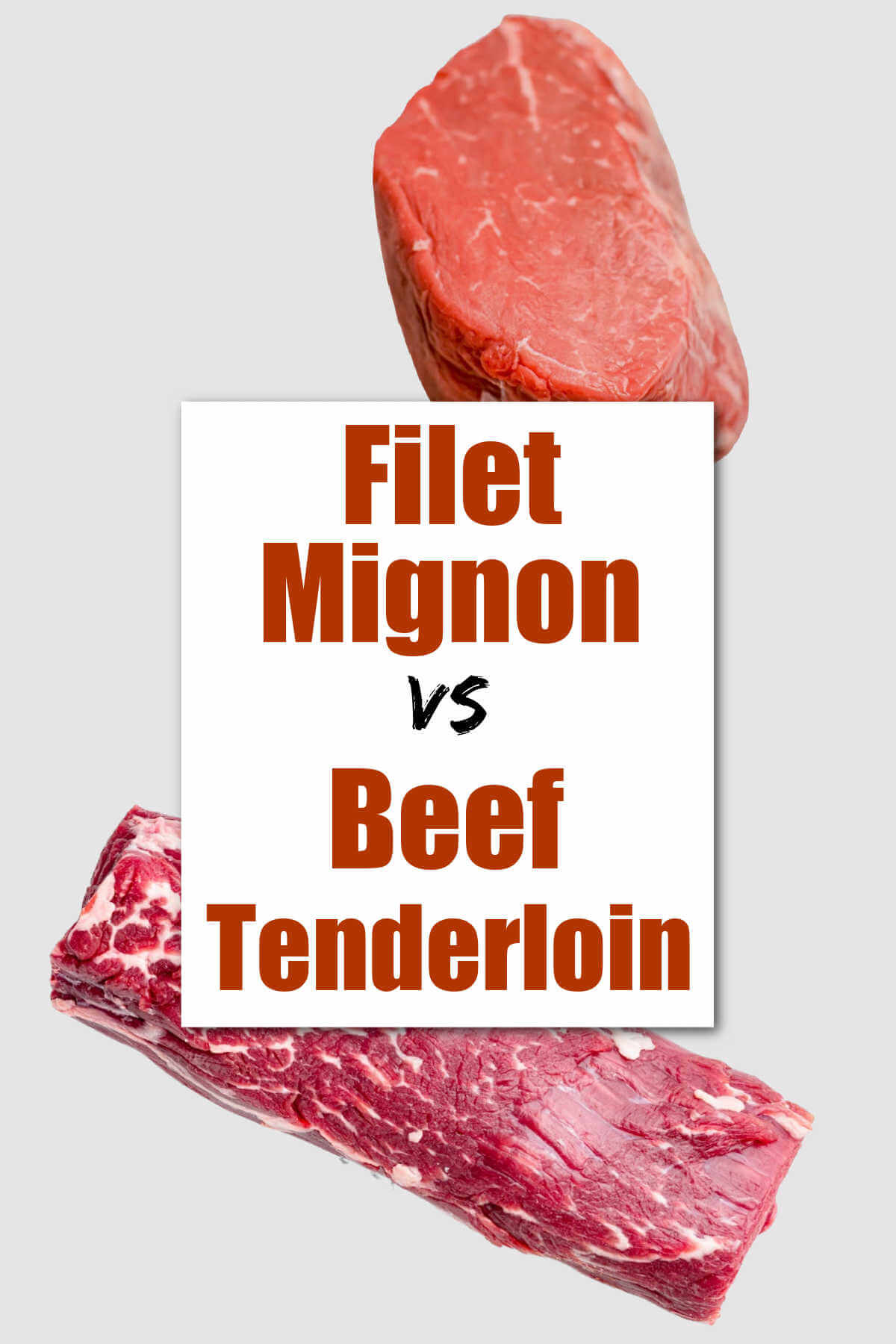
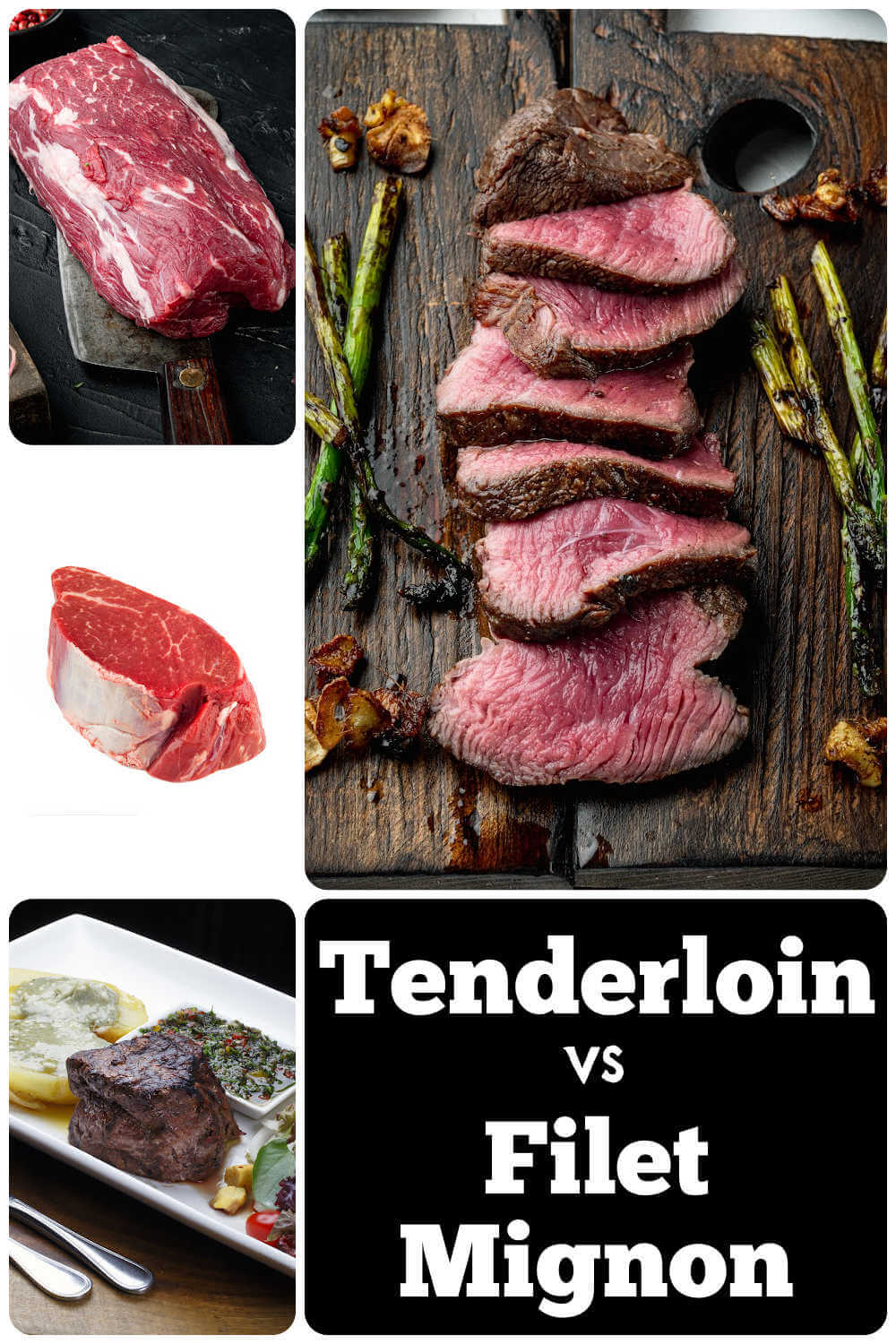
Beef tenderloin and filet mignon are some of the most tender and delicious cuts of meat available, perfect for any special occasion. So, when you have to choose between these two cuts of meat, what are the deciding factors? Here are some important facts to consider when choosing a winner in the Tenderloin vs. Filet Mignon throw-down.
🥩What is a Beef Tenderloin?
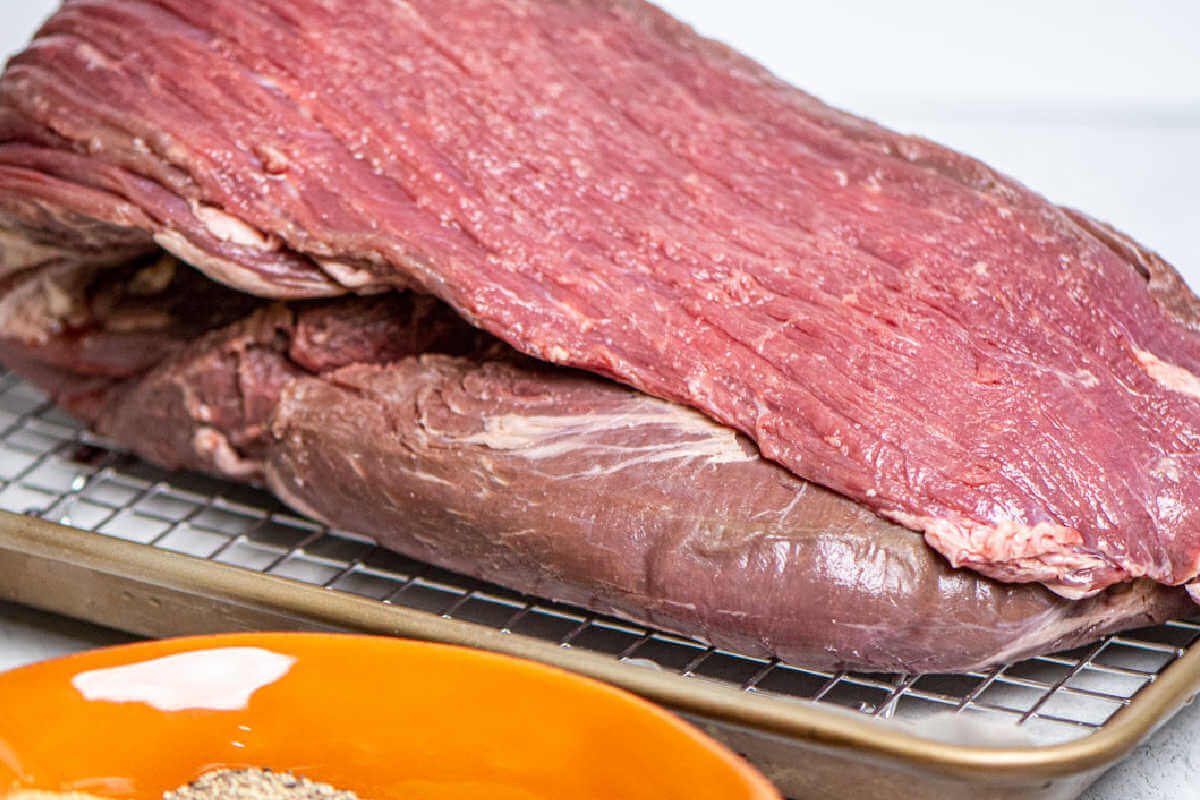
The cut called beef tenderloin is a very long muscle called the psoas major, which runs from just below the ribs to the hip, and is near the spine at its point of origin. This muscle is isolated by kidney fat and isn’t really used much by the animal. Fine-grained meat and lean, the tenderloin wows guests because of the perfectly consistent and extremely fine texture. The entire tenderloin includes the part of a Porterhouse Steak and the Filet Mignon, both of which are considered the best possible meat of the cow.
While lacking intensity of flavor like you’d find in a ribeye, the beef tenderloin is the most tender cut of beef available. Cook a beef tenderloin whole, or divide it into the steaks mentioned above or smaller roasts.
The big question to figure out is: is beef tenderloin filet mignon?
🍖What is a Filet Mignon?
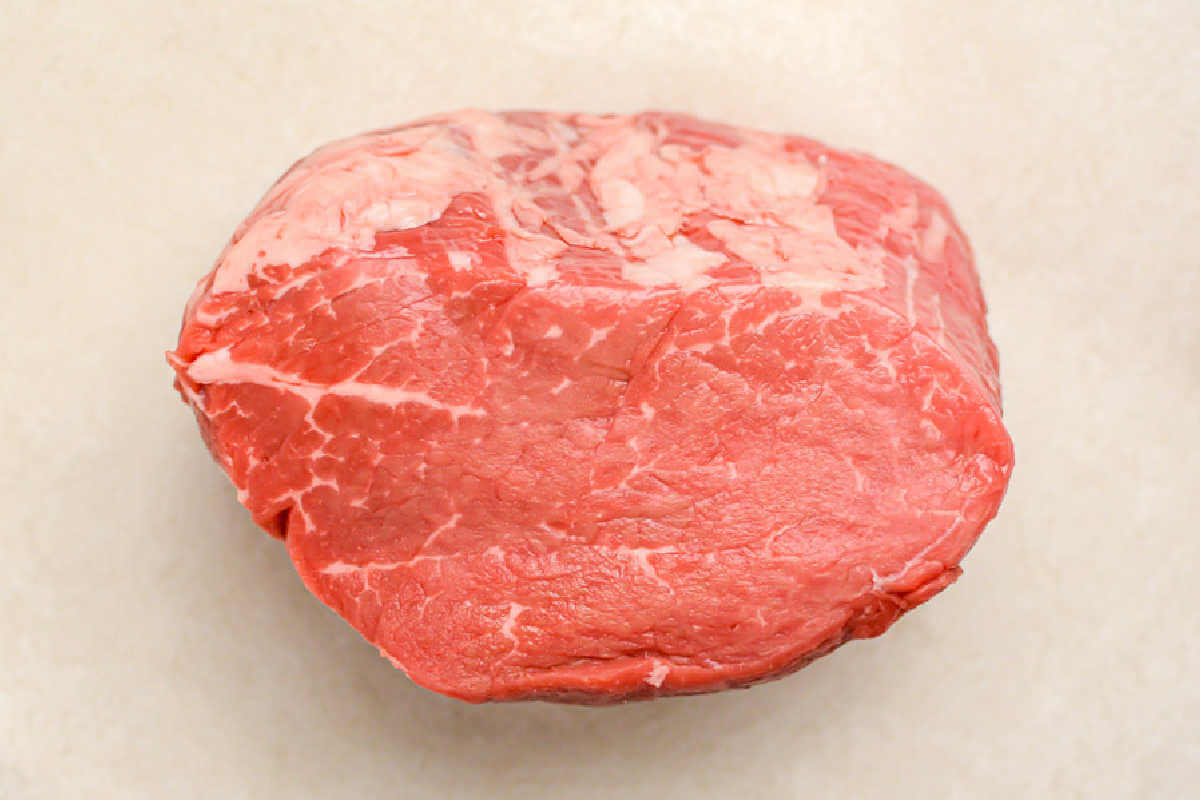
A small part of the tenderloin, the Filet Mignon, is a portion of the beef tenderloin from the short loin area. This cut of beef is thick, small, and round, often up to 2 inches thick and weighing only 6-8 ounces.
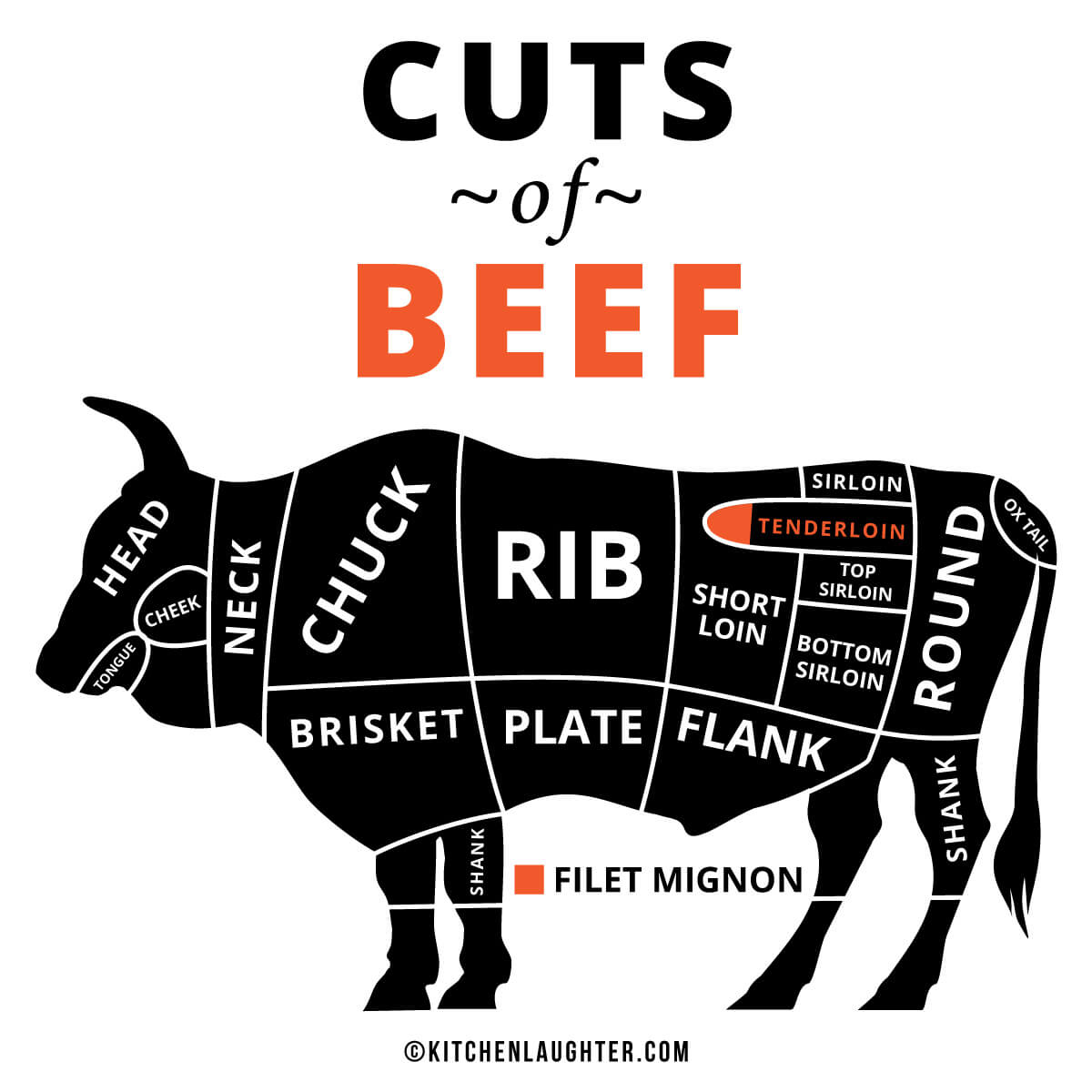
Because this muscle is very rarely used, it is the most tender cut of beef and has a melt-in-your-mouth buttery texture. When a tenderloin is cut into T-bone steaks instead, the filet is part of the T-bone.
Filet means “strip.” Mignon is French for “dainty.” Each cow only has a very small cut of filet mignon, so it is relatively rare and more expensive than other cuts. It’s considered high-end or upscale.
Where a Filet Mignon falls short is in the flavor department. The little-used muscle has very little fat or connective tissue. Restaurants will often serve the meat with gravy, aus jus, or some other sauce on the plate to add the missing flavor element.
🥘Comparison of Beef Tenderloin Vs. Filet Mignon
| Attribute | Beef Tenderloin | Filet Mignon |
|---|---|---|
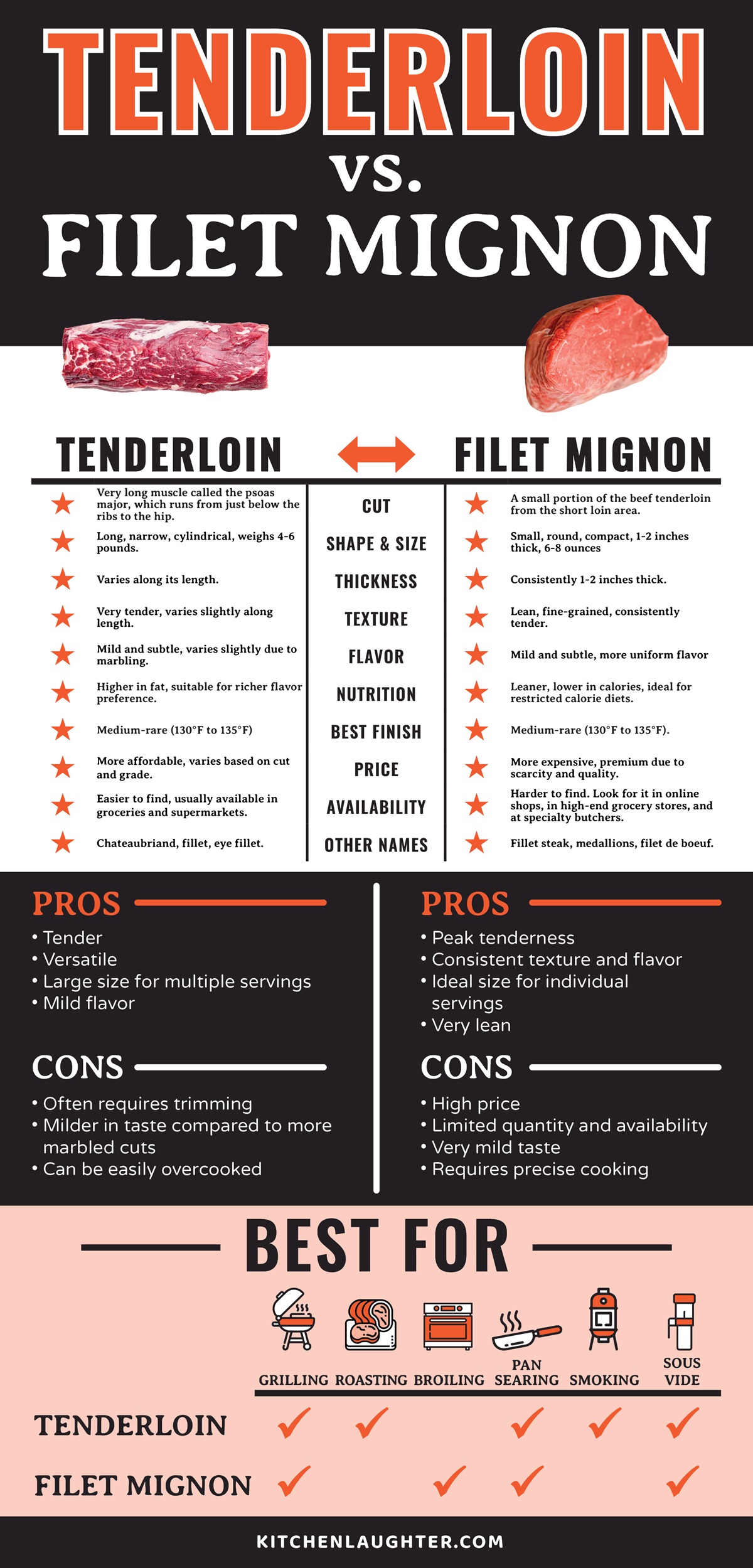
| Shape & Size | Long, narrow, cylindrical, weighs 4-6 pounds | Small, round, compact, 1-2 inches thick, 6-8 ounces |
| Thickness | Varies along its length | Consistently 1-2 inches thick |
| Texture | Very tender, varies slightly along length | Lean, fine-grained, consistently tender |
| Flavor | Mild and subtle, varies slightly due to marbling | Mild and subtle, more uniform flavor |
| Nutrition | Higher in fat, suitable for richer flavor preference | Leaner, lower in calories, ideal for restricted calorie diets |
| Best Finish | Medium-rare (130°F to 135°F) | Medium-rare (130°F to 135°F) |
| Cooking Methods | Roasting, pan-searing, grilling, smoking, sous vide | Pan searing, broiling, grilling, sous vide |
| Price | More affordable, varies based on cut and grade | More expensive, premium due to scarcity and quality |
| Availability | Easier to find, usually available in groceries and supermarkets | Harder to find. Look for it in online shops, in high-end grocery stores, and at specialty butchers |
| Other Names | Chateaubriand, fillet, eye fillet | Fillet steak, medallions, filet de boeuf |
Shape & Size
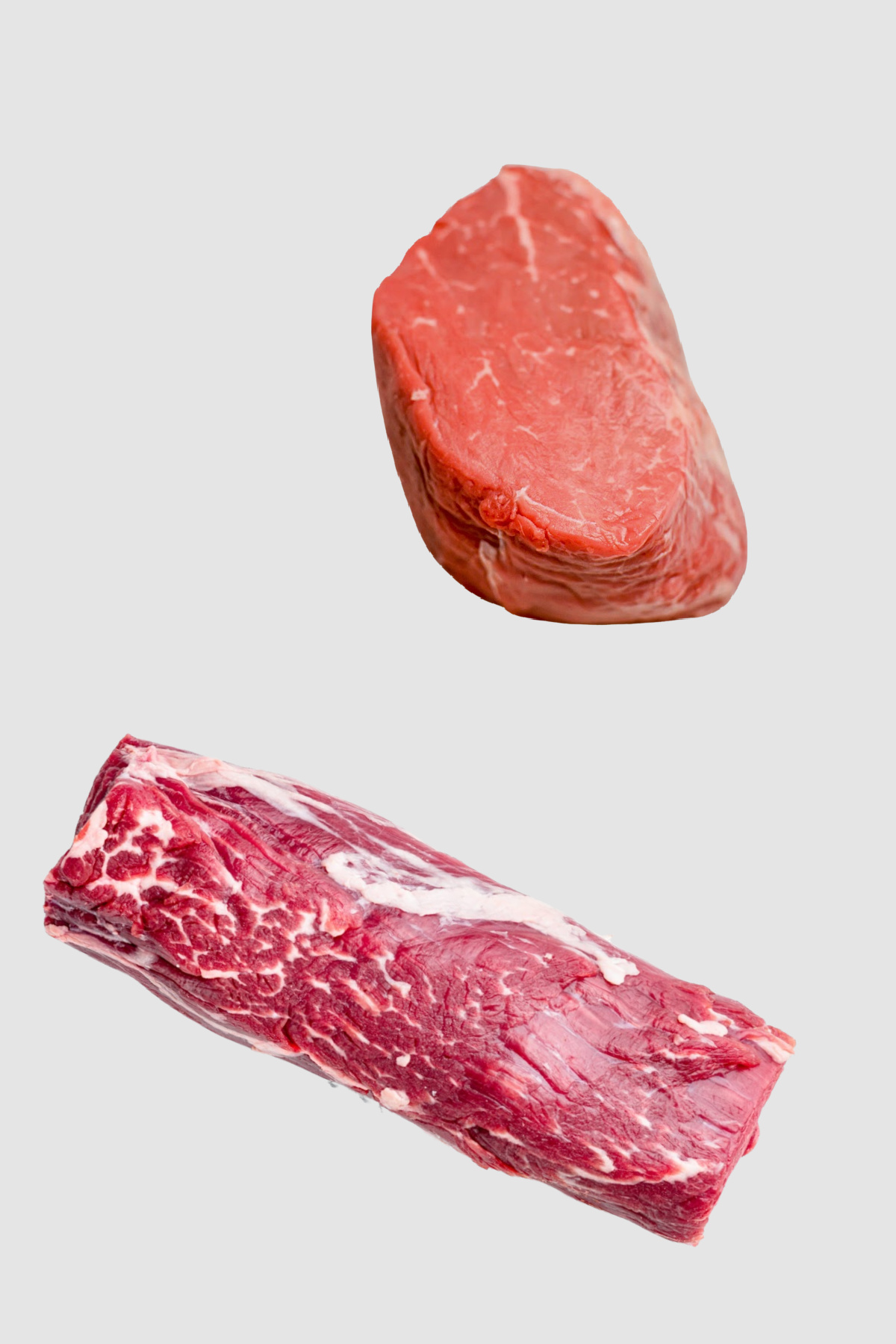
The tenderloin is a long, narrow, and cylindrical muscle that’s very lean. Typically, a whole tenderloin will weigh 4-6 pounds and can serve several people.
Filet mignon is cut from the smaller end of the tenderloin so it is a small, round, and compact steak. A filet mignon steak is 1-2 inches thick with a diameter of 2-3 inches.
The average weight of a filet mignon is around 6-8 ounces so it’s perfect for individual servings.
Texture
The tenderloin is not a weight-bearing muscle, and it is known for its amazingly tender texture and lack of connective tissue.
Its texture can vary slightly along its length. The thicker “butt” end has a little more marbling which gives it a richer flavor and a subtle texture difference compared to the narrower end.
The way the tenderloin is butchered and trimmed is another factor that affects its texture. Removal of excess fat and silver skin will ensure a consistent tender texture throughout the cut.
Filet mignon is cut from the smaller end of the tenderloin which has a lean, fine-grained texture with a subtle flavor and a melt-in-your-mouth feel.
Compared to the tenderloin, the filet offers a more consistent, tender bite.
Flavor
Both the tenderloin and filet mignon are known for their mild and subtle beef flavor. They make an excellent choice for those who don’t like the intense aroma of more marbled cuts such as the ribeye or the New York strip.
Since the tenderloin is a little more marbled on one side, you can expect some minor flavor variations. Filet Mignon on the other hand, is a much smaller cut of the tenderloin and for this reason, its flavor and texture is more uniform.
Depending on the cooking technique you use, the taste can be enhanced. High heat searing is recommended for both filet and tenderloin to create a flavorful crust while keeping the inside moist.
Nutrition
| Nutrient | Beef Tenderloin (Raw, 100g) | Filet Mignon (Raw, 100g) |
|---|---|---|
| Calories | 249 Cal | 152 Cal |
| Protein | 19g | 22.1g |
| Total Fat | 18g | 6.5g |
| Carbohydrates | 0g | 0g |
| Fiber | 0g | 0g |
| Potassium | 300mg | 347mg |
| Sodium | 50mg | 56mg |
| Cholesterol | 68mg | 67mg |
Filet Mignon comes from the leaner side of the tenderloin which is why it’s a great choice for those on a restricted calorie diet.
The higher protein content may also aid in fat loss, as this nutrient is key to maintaining satiety for longer.
Both cuts are carb-free and have low sodium levels, making them a healthy option and suitable for low-carb and ketogenic diets.
The extra fat present in tenderloin will offer a more intense beefy flavor in some parts of the muscle. Furthermore, tenderloin is cheaper than filet mignon but can be incredibly tender when properly cooked.
If you’re trying to reduce your fat intake, filet mignon is the leaner of the two and might be worth the extra cost.
Cooking Methods
Filet mignon and tenderloin are two delicate cuts of meat perfect for enjoying a special meal. Both have the best texture when cooked to medium-rare. The internal temperature should be in the range of 130°F to 135°F (54°C to 57°C).
Always use a digital meat thermometer to ensure your tenderloin or filet steak is cooked to perfection. At medium-rare, the center of the meat will be red and juicy. When you press the meat it should feel soft but also have a slight spring.
Allow both cuts to rest for 10 minutes after cooking. The tenderness of these cuts depends a lot on its juices and the resting time will allow them to be reabsorbed into the meat.
Beef Tenderloin
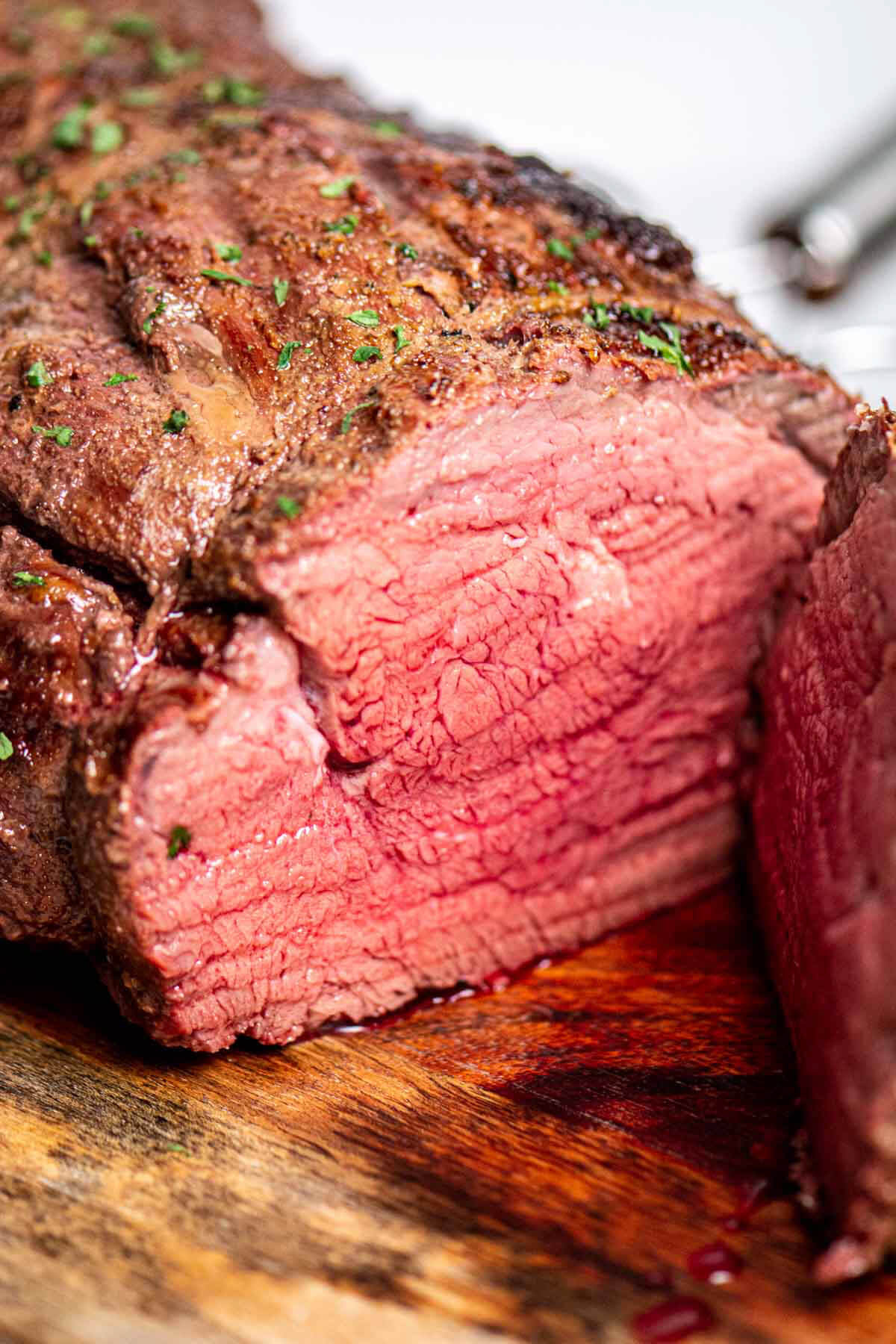
👉Roasting | The oven provides an easy and convenient way to cook a tenderloin. You simply need to roast the meat in an oven preheated to 425°F (220°C) until it reaches an internal temperature of 130º-135ºF for a medium-rare finish.
This takes around 20-25 minutes depending on the size of your tenderloin but keep an eye on the internal temp of the meat, not just the time.
👉Pan-Searing | The tenderloin can be seared in a hot cast iron pan or another heavy-bottom skillet over high heat for 2-3 minutes per side. You can finish it in a 375°F oven until it reaches the target internal temperature.
👉Grilling | Heat up your grill to medium-high heat (375°F to 400°F) and cook the tenderloin to a medium-rare doneness. This takes around 15 minutes.
👉Smoking | Smoked beef tenderloin makes a gourmet treat you will be highly praised for. It takes a little over an hour to finish cook so it’s one of the quick smoker recipes that will leave plenty of time to hang with your friends and family.
Smoke the tenderloin in a smoker preheated to 275°F until it is 10 degrees below the target internal temperature. For medium rare, you will need to smoke the meat until it reaches 125-130°F.
Then, give it a quick sear on a grill preheated to 450°F turning the meat every 2-3 minutes until it reaches 135-140°F.
Wrapping a tenderloin in bacon is also a great idea. You can do it like we did for this bacon wrapped smoked pork tenderloin and cook as you normally would.
👉Beef Wellington | This is one of the most famous recipes using beef tenderloin, so I couldn’t leave it out. Cooking the pastry-wrapped meat is done the same as roasting a whole tenderloin.
Bake it at 425°F (220°C) until the pastry is golden brown and your meat thermometer reads 130º-135ºF for a medium-rare finish. This will take around 40-45 minutes.
Filet Mignon
Given that filet mignon is a smaller part of the tenderloin, you need to pay the same attention to the internal temperature of this cut to ensure it is cooked perfectly.
The filet steak is exceptionally tender, but also lean so it will dry out and become lackluster if overcooked. Those who like their steak well done should skip this cut and choose one that has more pronounced marbling.
Note: If you split a whole tenderloin in smaller chunks you can cook them just like you would filet mignon.
👉Fast Searing | Preheat a cast iron pan on high heat, add a small amount of olive oil and cook the filet mignon to a medium rare finish (approx 3 minutes per side). Remove from heat when the thermometer reads 130-135°F and rest for 10 minutes before serving.
👉Broiling | A broiler set to high will also do the trick. It will take about 4-5 minutes of broiling per side for a medium-rare filet.
👉Grilling | Same as the methods above, this should be done over high heat (400-450°F). Make sure the grill is preheated well and the steak has at least 15 minutes of rest at room temperature before grilling. Once the steak is cooked to medium-rare, let it rest for 10 minutes.
Sous Vide
It might sound fancy, but having a sous vide cooker will help you make the most wonderful meals! For delicate meat like beef tenderloin and filet mignon, cooking them slowly in a water bath will ensure even cooking and a super moist texture.
Also, the end temperature is controlled by you, so there’s no room for error when it comes to the perfect medium-rare finish.
- Regardless of which cut you want to cook sous vide, you’ll need to place it in a vacuum-sealed sous vide bag.
- The water bath should be preheated to the target temperature. In this case, it should be 5-10 degrees below your preferred doneness (130°F for medium rare).
- For a whole tenderloin, reaching this internal temp will take 2-4 hours and a filet mignon will be ready in 1-2 hours.
- Finish both cuts with a super quick sear in a very hot skillet over high heat. 1 minute per side for filet and 1-2 minutes for tenderloin will be enough to give it a nice crust.
- As usual, rest the meat for 10 minutes before serving.
Price
Several factors affect the price of a specific cut, including the source of the meat, the cut’s quality, and the beef grade.
The scarcity of a cut and how much processing goes into it will also affect the cost per pound.
Tenderloin is usually more affordable than filet mignon. This is because filet mignon is a smaller cut sourced from the tenderloin which requires additional processing.
Each cow provides a small amount of filet mignon, so it is not easily available, making it a premium, sought-after cut.
Also, filet mignon is famous for its tenderness, flavor, and consistent texture. Add these desirable qualities to the fact this cut is limited in quantity and the higher cost is justified.
USDA‘s beef grading system also affects the price of both tenderloin and file mignon. There’s always the option of prime vs choice, with the first being the highest quality and the second offering a better balance of quality and value.
Availability
Filet mignon is a smaller cut from the tenderloin, and this means each cow produces a limited amount.
This incredibly tender cut is in high demand, especially in fine dining restaurants. As a result, only a limited supply reaches markets and grocery stores, making it harder to find than beef tenderloin.
You will probably have an easier time finding this cut online, in high-end grocery stores, and at specialty butchers than in a regular grocery store.
☯Pros & Cons
| Beef Tenderloin | Filet Mignon | |
|---|---|---|
| Pros | Tender Versatile Large size for multiple servings Mild flavor | Peak tenderness Consistent texture and flavor Ideal size for individual servings Very lean |
| Cons | Often requires trimming Milder in taste compared to more marbled cuts Can be easily overcooked | High price Limited quantity and availability Very mild taste Requires precise cooking |
🍴Serving Suggestions
Tenderloin and filet share similar flavors and textures, so they pair nicely with the same sides and garnishes. Here are some serving suggestions to inspire you!
🥔Potato Sides
The tender and juicy meat will sit nicely next to almost any potato side. From the classic mashed potatoes to grilled baby potatoes, smashed potatoes, and smoked baked potatoes, serving them next to a tenderloin or filet mignon will make it a rich and satisfying meal.
🥦Veggie Sides
A vegetable side next to a lean cut like tenderloin or filet will be a high-protein, low-carb meal high in nutrients and of course, flavor!
We love serving these cuts with some grilled roasted root vegetables, grilled bacon Brussels sprout kebabs, or grilled broccolini. These are truly effortless sides that will make a gorgeous presentation.
🥗Salads
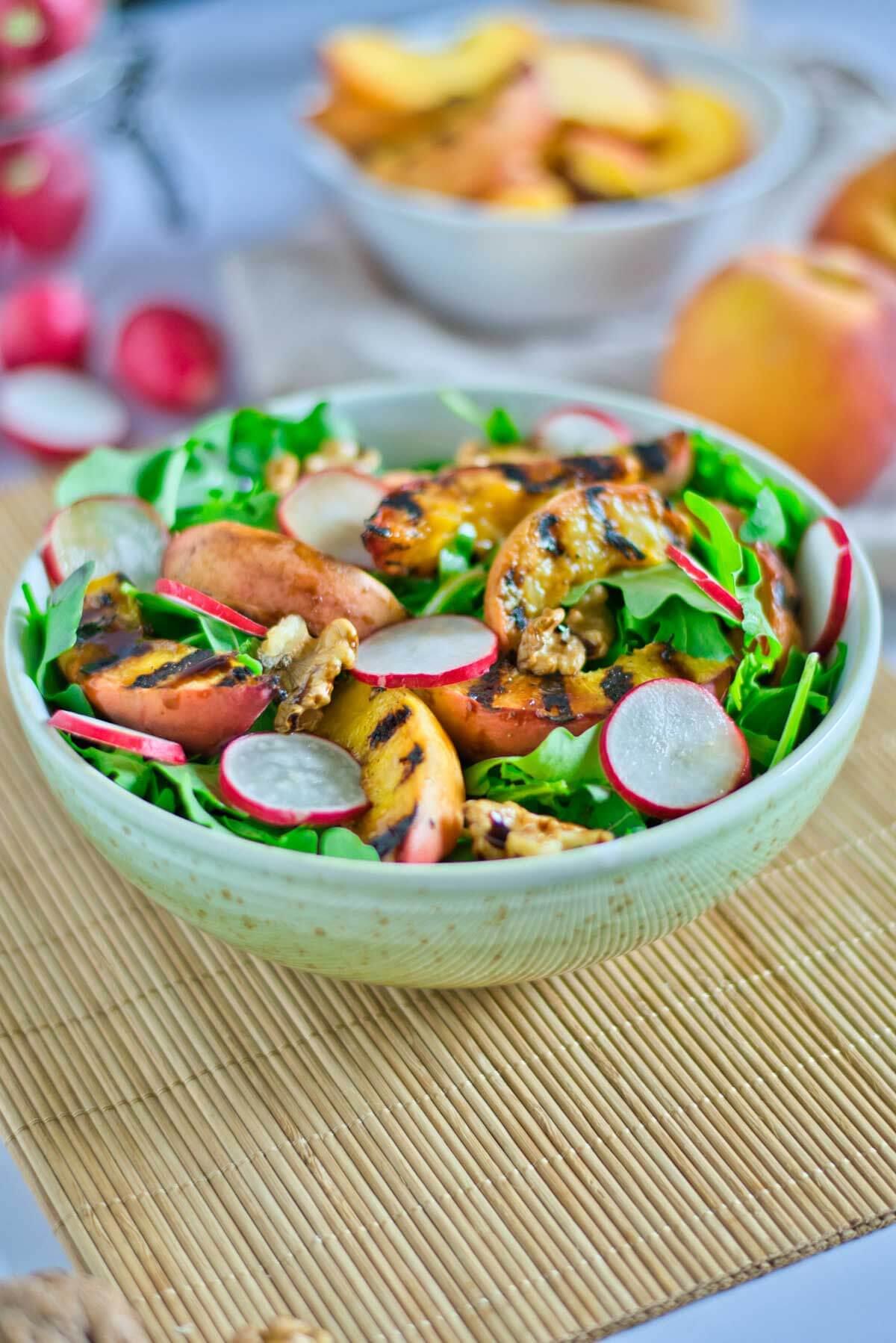
There’s really no wrong option here. You can go for a simple creamy cucumber salad, or a fancier grilled peach and arugula salad with crunchy walnuts for a lovely texture contrast. Any fresh, green salad with an acidic dressing will complement this subtly flavored meat nicely.
🍚Starchy Sides
A creamy dish like a risotto or polenta offers a luxurious texture that pairs beautifully with both tenderloin and filet mignon.
🍞Breads
Fresh, crusty Artisan bread makes a wonderful snack on its own, let alone paired with a luxurious cut like filet or tenderloin. Baguettes, ciabatta, and sourdough are fantastic options.
If you don’t have a bakery nearby you can always make a simple no knead Dutch oven bread or some homemade soft pretzel bites that I guarantee will be met with the same enthusiasm.
🌿Garnishes
Fresh herbs such as rosemary, thyme, oregano, and parsley will add a refreshing flavor and a pop of color to your tender steak.
For a gourmet touch and special presentation, garnish the meat with edible flowers.
🍷Wine Pairings
These two cuts are best paired with a red wine.
You can go for a full-bodied red like Cabernet Sauvignon, or Merlot, or serve the steak with a lighter red such as Pinot Noir or Chianti for a less intense option.
🍱Storage & Reheating
Leftover beef tenderloin and filet mignon can easily be stored and reheated. If done properly, they will taste as good as fresh.
These are premium cuts and it would be a shame to waste them, so here’s how to properly store and reheat them.
Storage
Allow the meat to cool to room temperature before storing it to prevent condensation from forming inside the storage container.
❄️Fridge | To refrigerate, wrap the leftovers tightly in plastic wrap, or aluminum foil, or place them in an airtight container.
The guidelines for steak storage apply to tenderloin and filet as well. Stored properly, they will stay safe to eat for 3-5 days.
🧊Freezer | I always freeze leftover meat if I know I won’t be able to eat it within 5 days. Divide the steak into smaller portions so you will thaw only as much as you need.
You can store it in chunks, slices, or 1-inch cubes, depending on how you plan to use it.
Wrap the leftovers tightly in cling film or aluminum foil, then place them in a freezer bag or container. The extra layer will offer protection against freezer burn.
Continuously frozen, leftover cooked meat can be consumed at its best within 3 months. Be sure to label the bags or containers with the date, so you’ll know if it’s safe to eat or not.
Reheating
Make sure to gently reheat these delicate, lean cuts to avoid drying them out. For frozen leftovers, you will need to thaw the whole roast in the fridge, overnight.
Steak cubes can also be thawed in the fridge or added directly to a moist dish you’re cooking.
🍳Skillet | Briefly reheat the steak in a hot skillet with a little butter or olive oil. Remove from heat as soon as it’s warmed through to keep it moist.
♨️Oven | You can reheat a whole tenderloin or a larger piece in an oven preheated to 250-275°F. Add a splash of broth or water to the oven-safe dish, cover with foil, and reheat only until the meat is warmed through.
📟Microwave | I don’t recommend this method, but it is convenient, and sometimes this is all you have.
Use a low-power setting to reheat the leftover meat in a covered, microwave-safe dish in 30-second intervals.
🍲Incorporating Into Dishes | Cubed filet or tenderloin can be added directly to various dishes such as soups, stews, stir-fries, rice bowls, and noodle dishes.
In this case, it’s okay to add the cubes to your dish straight from the freezer. They will thaw and reheat at the same time. Just make sure to add them in the final minutes of cooking to avoid overheating the meat. That is a surefire way to turn a wonderful steak into a rubber boot.
🍽️How to Choose Between Tenderloin and Filet
The taste differences between these two cuts of meat are minimal since one is cut from the other. The flavor, cost, cooking method, and texture are all the same or very close. The differences come down to size, cooking time, and what kind of meat you want to serve.
Would you rather prepare a large roast, practice your butchering skills, and break down the tenderloin, or purchase the smaller filet mignon steaks already cut for you? Choose between tenderloin and filet based on your plans for the meat, where size and time might be the factor.
No matter which you choose to purchase, remember that the grade of the meat matters. The USDA grades meat based on quality, and if you buy a low-grade, low-quality filet mignon or tenderloin, you will wonder what all the fuss is about. Purchase the highest quality you can afford, with prime being the highest possible grade.
🔪 Recipe FAQ
Typically filet mignon is slightly more expensive per pound, but the grade of beef and supply in the butcher shop will drive the price. The exact price will vary by location.
Filet Mignon is cut from a section of the beef tenderloin, and the texture and tenderness are very similar. However, the filet mignon portion may be marginally more tender than the rest of the tenderloin. The filet is considered to be the best, most decadent, most upscale steak you can purchase.
The differences are minimal because the filet mignon is part of the beef tenderloin. A filet mignon is a steak cut, about 3″ in diameter and 2″ thick. A beef tenderloin can be up to 2.5 feet in length as a whole roast. The size is the main difference.
A whole tenderloin is a very large cut of beef taken from a muscle that runs behind the kidney and stretches from the last rib all the way down to the hip bone of the cow.
Filet mignon is part of the beef tenderloin. It is a small, tender, boneless steak from the short loin of the cow on the opposite side of the bone from where a New York Strip is found.

Ginny Collins is a passionate foodie and recipe creator of Savor and Savvy and Kitchenlaughter. Indoors she focuses on easy, quick recipes for busy families and kitchen basics. Outdoors, she focuses on backyard grilling and smoking to bring family and friends together. She is a lifelong learner who is always taking cooking classes on her travels overseas and stateside. Her work has been featured on MSN, Parade, Fox News, Yahoo, Cosmopolitan, Elle, and many local news outlets. She lives in Florida where you will find her outside on the water in her kayak, riding her bike on trails, and planning her next overseas adventure.
Leave a Reply