

Ribs are the heart and soul of BBQ culture and that finger-licking meaty goodness can have a different taste based on how you cook and season them. But there’s one more thing that can set your recipe apart: there are various types of ribs and each brings something different to the table. Let’s talk ribs!

Many regions in the US have assimilated ribs into their local identity. From one city to another, you’ll find all sorts of twists on this classic dish. Memphis is well-known for its dry-rubbed ribs, often smoked and served without sauce, while Texans prefer their beef ribs smoked over hickory or oak wood.
Let’s not forget all those tasty sauces too! From the Carolina vinegar-based sauces to Alabama’s unique white BBQ sauce, by the time you experience all these regional variations, you’ll be a permanent traveler on the rib train. Keep reading to learn about the different types of ribs, what they bring to the table, the best ways to cook them, and more!
Overview
| Rib Type | Description | Cooking Method | Highlights | Internal Temp (°F) |
|---|---|---|---|---|
| Baby Back Ribs | Lean, curved ribs from near the spine | Grilling, Baking, Smoking, Air Frying | Tender and juicy | 190-200 (well-done) |
| Spare Ribs | Large, meaty ribs from the belly | Braising, Smoking, Baking/Oven Roasting | Rich, flavorful BBQ | 190-205 (well-done) |
| St. Louis Style Ribs | Trimmed spare ribs for consistent shape | Grilling, Smoking, Baking/Oven Roasting | Smoky and tender BBQ | 190-205 (well-done) |
| Country-Style Ribs | Meaty shoulder cut with bone-in | Grilling, Braising, Slow Cooking, Air Frying | Fall-off-the-bone goodness | 190-200 (well-done) |
| Rib Tips | Fatty trimmings from spare ribs | Grilling, Air Frying | Fast and flavorful | 190-200 (well-done) |
| Beef Back Ribs | Thin ribs from upper back near shoulders | Grilling, Smoking | Meaty and flavorful BBQ | 200-205 (well-done) |
| Chuck Short Ribs | Meaty ribs from lower rib cage or shoulder | Braising, Slow Cooking, Smoking | Rich, flavorful stews and braises | 200-205 (well-done) |
| Flanken-Style Ribs | Short ribs cut across the bone Korean-style | Grilling, Air Frying | Korean BBQ (Kalbi) | 190-200 (well-done) |
| Plate Short Ribs | Large, meaty ribs from the cow’s belly | Smoking, Braising | Hearty and delicious | 200-205 (well-done) |
| Rack of Lamb | Mild flavor, tender meat from upper back | Baking/Oven Roasting | Centerpiece for special occasions | 130-145 (medium-rare) |
| Lamb Spare Ribs | Rich flavor, meaty ribs from belly area | Braising, Slow Cooking, Smoking | Indulgent and flavorful | 145-150 (medium) |
Types of Pork Ribs
Pork ribs are easy to find, affordable, and versatile due to their mild flavor that goes well with a variety of dry rubs, and seasonings. You have several options to choose from. The chances of getting bored are slim to none. Each type has a unique taste and texture.
Baby Back Ribs
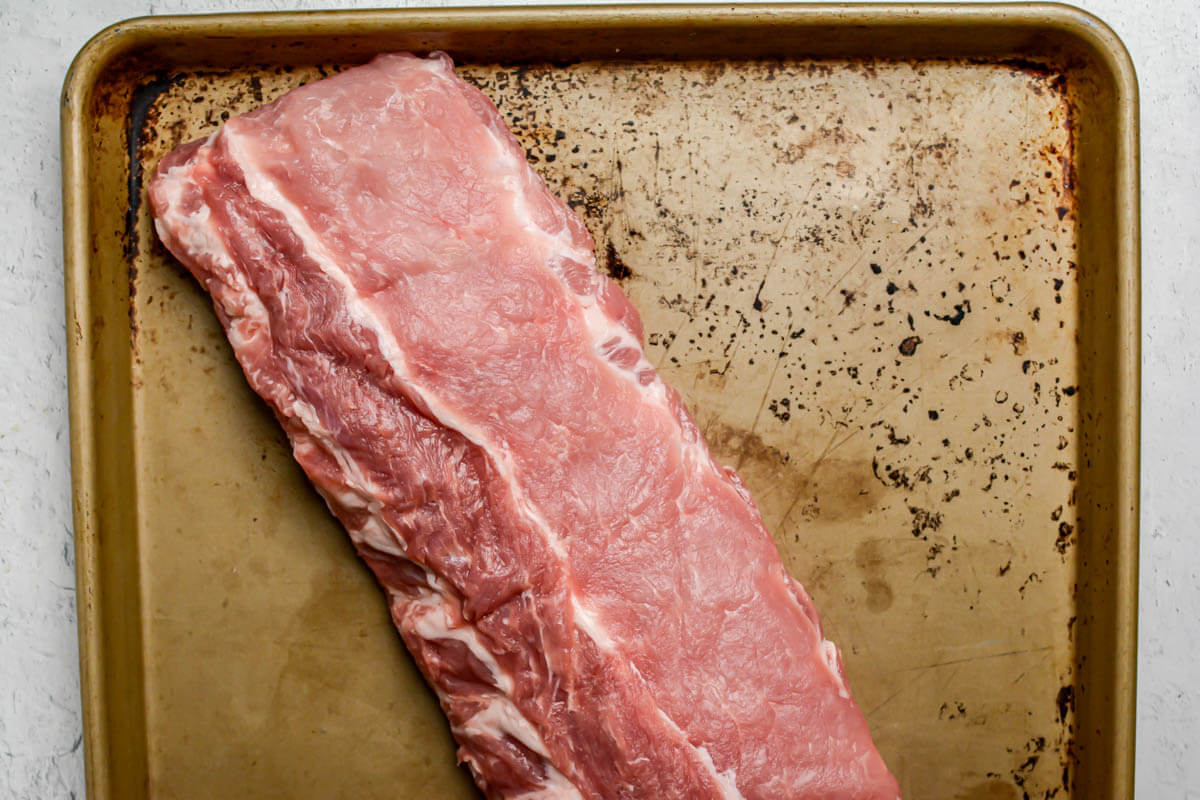
Let’s start with the life of the barbecue party: baby back ribs. Cut from the top of the rib cage, between the spine and the spare ribs, they are a smaller type, about 3 to 6 inches wide. You won’t have any trouble finding them and they are great for feeding a crowd.
For a no-fuss BBQ experience, baby back ribs are an excellent choice as they cook fast. They also happen to be lean, tender, and very flavorful, so what’s not to love?
Spare Ribs

Spare ribs are all about that generous, succulent meat. Larger, and meatier than baby backs, they come from the belly side of the pig’s rib cage.
They need a longer cooking time to become tender, but once they do, they become a melt-in-your-mouth feast. If you’re looking for larger portions, a higher meat ratio, or that intense porky flavor, spare ribs are the winner.
Moreover, they are slightly cheaper than baby back ribs, making them an affordable treat.
St. Louis Style Ribs
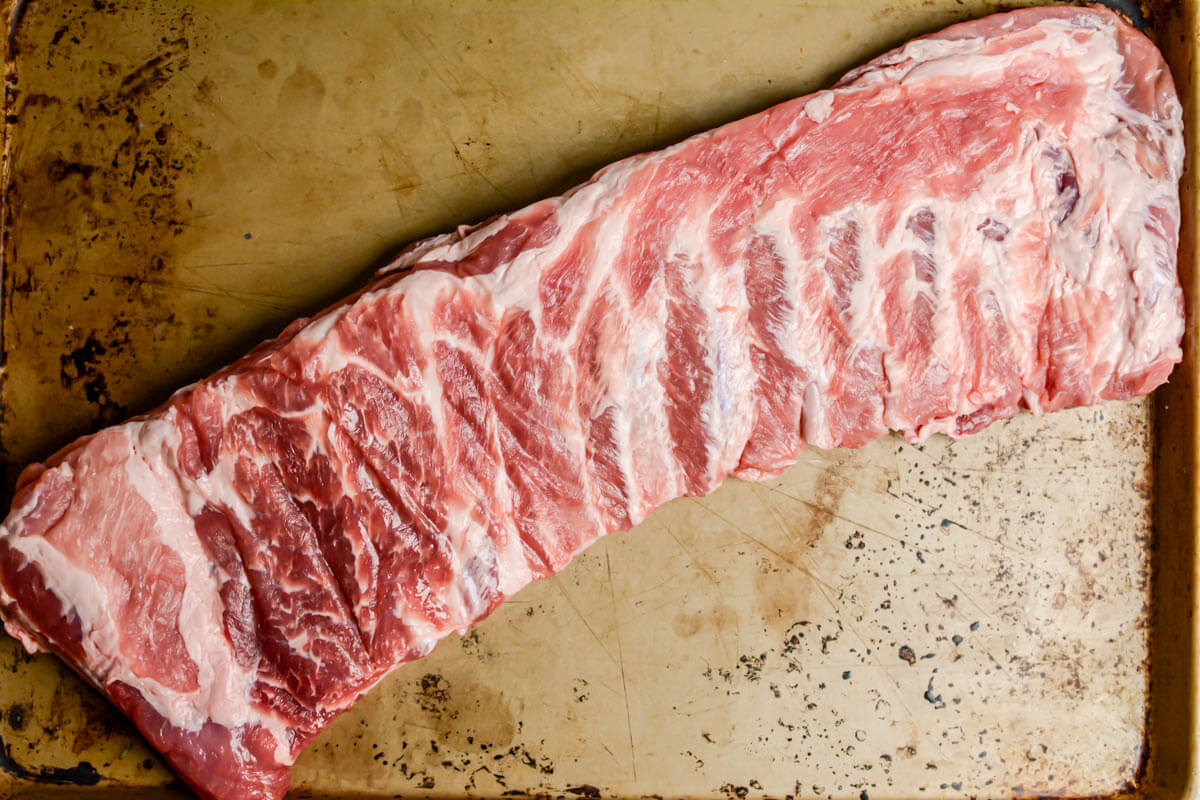
If spare ribs seem like an attractive option, you’ll probably love St. Louis style ribs too. They are spareribs with the sternum bone, cartilage, and rib tips removed to create a uniform rectangular shape.
This gives for a gorgeous presentation, although the consistent shape will also ensure more even cooking.
Country-Style Ribs

The robust and flavorful country-style ribs are more substantial cuts taken from the shoulder end of the loin.
These will give you a meatier, more satisfying bite compared to baby back or spare ribs. Grill, braise, or slow-cook country-style ribs to make their savory pork taste shine.
Budget-friendly, and available in most grocery stores, country-style ribs are the best of both worlds: the meatiness of a pork chop and the traditional rib experience.
Rib Tips

You know those trimmings left after shaping spare ribs into St. Louis style ribs? The rib tips, are part of that category. These are the cheapest way to enjoy some rib meat, but often overlooked.
Rib tips include meat, small bones, as well as the cartilage found at the bottom of the spare ribs. This is the right combination for an amazing flavor, if you don’t mind the mixed, chewy texture. And yes, they cook lighting fast compared to a whole rack!
Types of Beef Ribs
Make the switch from pork to beef ribs and you’re in for a whole new adventure. The heftier beef ribs need longer to cook and boast a different flavor so let’s see what the fuss is about.
Back Ribs

Coming from the upper portion of the rib cage, close to the spine, beef back ribs are known for their tenderness and juicy flavor. These are the same ribs found in bone-in ribeye steaks and prime rib roasts.
Back ribs are easy to find and reasonably priced, offering a refined and affordable BBQ experience.
These traits make them a popular choice for grill enthusiasts despite the fact they are not the meatiest ribs.
Short Ribs

Also known as chuck short ribs or braising ribs, these come from the cow’s lower rib area, specifically in the front quarter. They are meaty and have shorter rib bones compared to the plate short ribs.
Since they are cut in smaller portions, they will cook faster but they still benefit from low and slow cooking methods such as braising and smoking. With a bit of patience, their meat will turn tender and delicious.
Flanken-style Ribs

Flanken-style ribs, are also from the short rib section of the beef. While short ribs are cut between the bones, the flanken-style ribs are cut through the bone. This makes them thinner than other ribs, about half an inch thick. A quick marinade can infuse a lot of flavor!
Luckily, they are also high in fat, so if cooked properly the meat will have a specific tenderness. Flanken-style ribs are great for fast cooking methods like grilling or broiling, and very popular in Mexican and Asian cuisines.
They’re usually reasonably priced and easy to find so give them a try for a different, yet delightful rib experience.
Plate Short Ribs

From the cow’s belly, plate short ribs have a generous amount of meat and are very large. They’re usually around 12 inches long and they will taste best if smoked or cooked low and slow.
Plate short ribs are on the pricier side, but if you try them once, you will keep buying them. The hearty texture and delicious taste are worth it.
If you know what a Tomahawk steak looks like, then you’ve already seen plate ribs. Their bones are the “ax handle” of the Tomahawk steak cut. In this case, the meat is trimmed and used for ground beef. The fact that Tomahawk steaks are such a prized beef cut, makes plate short ribs a bit scarcer and more expensive.
Types of Lamb Ribs
Lamb ribs offer a distinct and memorable flavor. However, the rack of lamb and lamb spare ribs have some unique characteristics.
The Rack of Lamb

This large cut comes from the upper part of the lamb’s back. Often roasted whole, the rack of lamb is the perfect centerpiece when you’re looking to impress. The refined taste, often described as mild and sweet, and the tender, juicy meat make it a sought-after cut.
As a good example of its visual appeal, the rack of lamb is often served as a “lamb crown roast” which is done by forming two racks into a circle. The impressive display is a great way to mark a special occasion or enjoy a gourmet dinner.
Lamb Spare Ribs

Coming from the belly area, lamb spare ribs have a more intense, richer taste profile. These meaty ribs lend themselves well to marinades and get the best taste and texture with low and slow cooking methods.
Their generous fat content will slowly render during cooking, infusing the meat with a richness lean cuts don’t have.
You’ll get an indulgent meal from lamb spare ribs, one that will be less costly compared to the rack of lamb. The rack is often sold in fine dining establishments and has a premium status which contributes to the higher price.
Cooking Methods For Ribs
The wonderful world of ribs is full of possibilities. Grilling and smoking offer the traditional BBQ experience. Braising and slow cooking produce a cozy, soul-warming meal. Air frying is a quick and healthy way to achieve crispiness with little to no oil. Let’s see how these work for ribs and when to use each.
Grilling
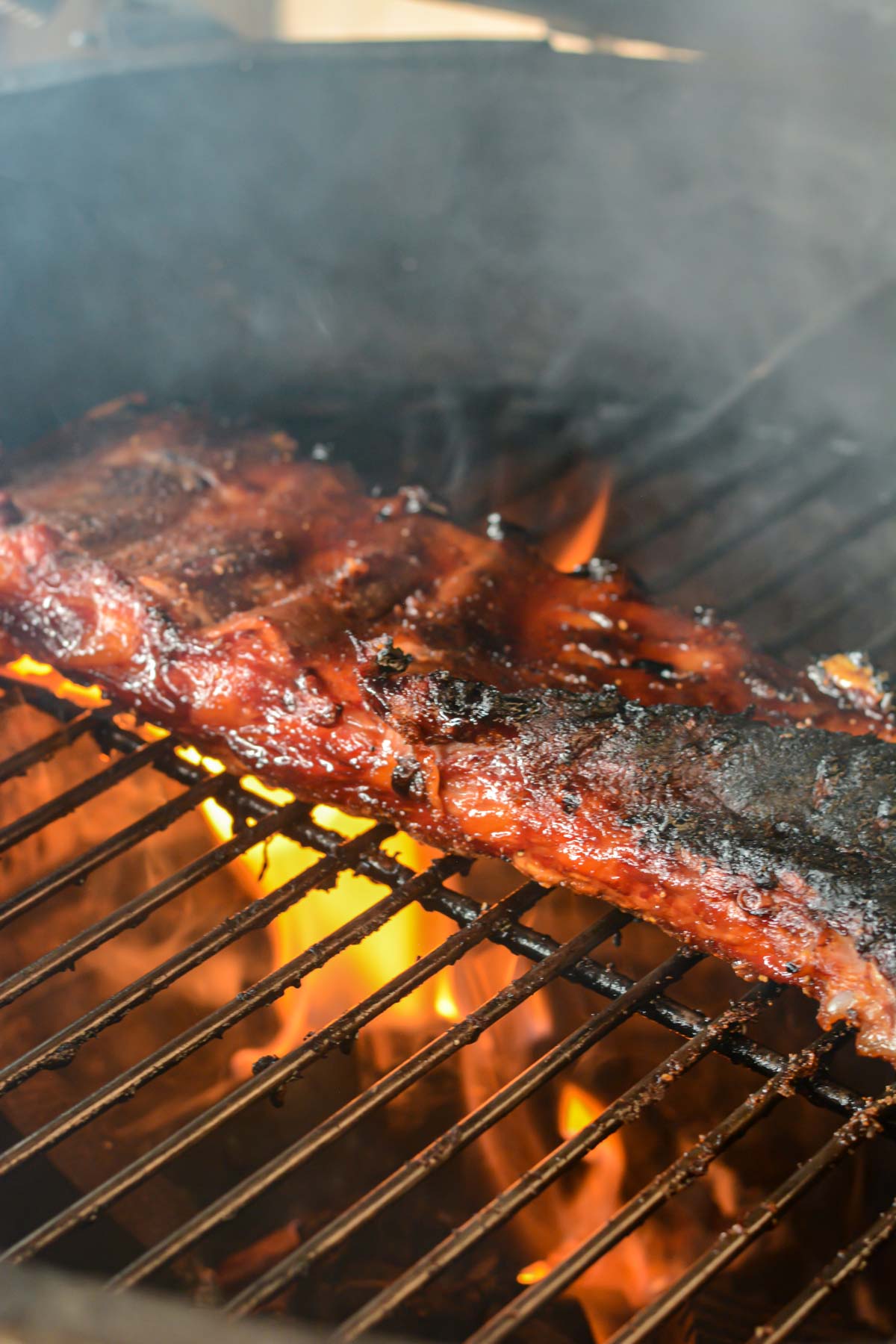
Leaner types of ribs like baby backs and St. Louis style turn out beautifully when grilled. They will usually take around 1-2 hours over medium heat (300-350°F), depending on size.
We love glazing grilled St. Louis style ribs towards the end of the cooking process for a sweet and sticky finish!
The same temperature works well for lamb spare ribs, and you can even crank it up to 375°F. It’s worth noting, they will cook pretty fast, usually around 30 minutes.
Flanken-style ribs also grill nicely thanks to their high-fat content. Since they are thinner, grill them over high heat (around 375°F to 400°F) for 5-7 minutes per side. It really is that easy!
Smoking
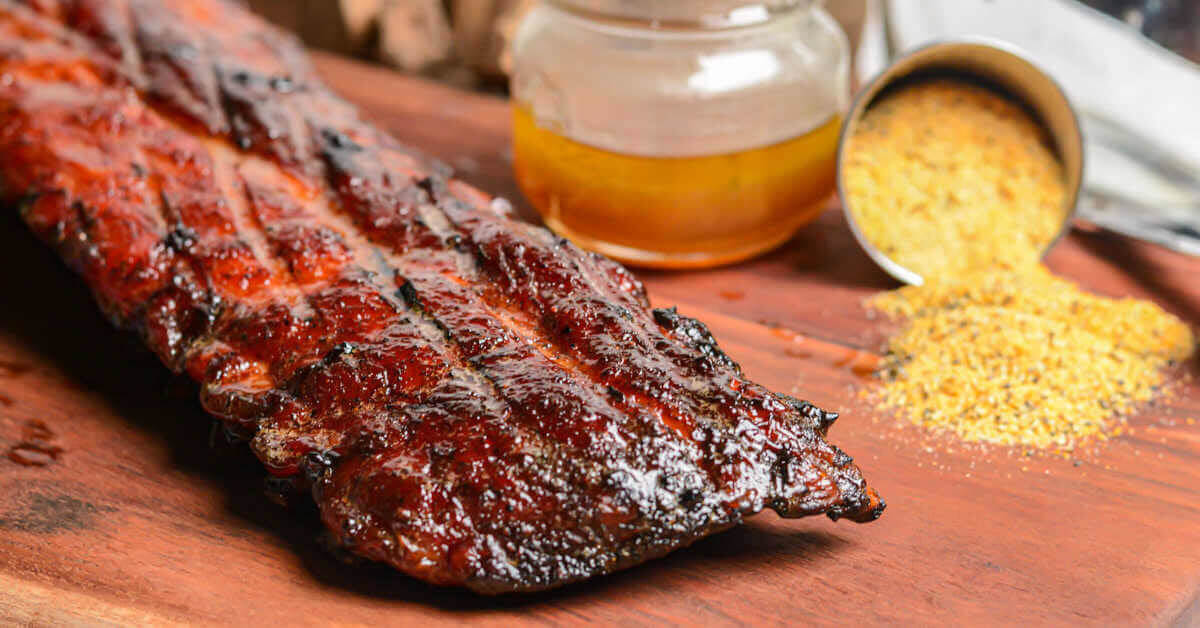
Each rib variety can benefit from smoking. The secret is to smoke your racks or portions at the ideal temperature.
A lower smoking temperature of 225°F to 250°F is good for leaner cuts like smoked baby back ribs and the portioned but meaty smoked country-style ribs.

There’s not a lot of fat to render, so cooking them at higher temperatures could easily dry them out.

The same temperature works well for beef ribs. This applies to larger cuts like plate short ribs and portioned ribs like smoked chuck short ribs. These will need to cook slowly for several hours (4-6 hours) so most of the fat melts and the connective tissues have time to break down.
Lamb spare ribs are meaty and fattier than the rack of lamb, similar to beef ribs in that way. The 225-250°F temperature range is good for these too. It will take several hours for the meat to achieve the perfect texture and smokiness so be sure to keep an eye on the smoker’s temperature and refuel as needed.
For smoked St. Louis style ribs, a higher temperature range of 250-275°F is recommended. They are thicker and fattier, so they will remain naturally tender while the smoker does its magic.
The best wood for smoking ribs is different for everyone depending on their personal preferences. You can use a mild fruit wood, go for a classic medium smoke with oak, or achieve an intense smoky flavor with mesquite or hickory. Feel free to play around with your wood choices and even try some unique blends!
Braising
Beef short ribs are perfect for braising. Cook them in a flavorful liquid at low heat in the oven (around 300°F) for about 2-3 hours. This method tenderizes the meat and infuses it with the braising liquid’s flavors.
This method also benefits lamb spare ribs. The low, moist heat will make the succulent and incredibly tasty.
Baking/Oven Roasting
Finally, a universal method for cooking all types of ribs! The baking temperature is the most important factor here, just like for grilling and smoking.
Pork ribs and lamb spare ribs do well at a moderate oven temperature (around 275°F to 350°F) for 1-2 hours. To keep them moist, wrap them in foil, and remove it 10-15 minutes before they are done.
Beef ribs will need a longer cooking time for the meat to tenderize, up to 3-4 hours.
To roast a rack of lamb, a higher temperature would be better for this mild-flavored, juicy meat. At 400°F, it will take around 20-30 minutes to get cooked but moist meat and a nice crust, depending on the size of the rack and your preferred doneness.
Slow Cooking
You can’t go wrong with slow-cooking ribs, especially the tougher cuts, or meaty ones like country-style ribs.
After 6-8 hours on a low setting (around 200°F to 250°F) you get the perfect, tender, fall-off-the-bone meat!
Air Frying
This wonderful appliance can produce delectable crispy meals in a fast and convenient way. If you like a bit of crispiness on your ribs, this is the easiest way to achieve it, without any added oils.
Baby back and St. Louis style ribs are done in about 25-30 minutes, air fried at 380-400°F. Flip halfway, though. This is needed to ensure even cooking.
Air fried country-style ribs will cook a bit faster. At 380°F it takes around 20-25 minutes to air fry these to perfection. However, you should lengthen the cooking time if needed: the various types of air fryers available on the market work differently.
Flanken-style ribs become an unforgettable treat in the air fryer. They only need 10-15 minutes at 400°F since they are quite thin. Not surprisingly, it’s a favorite quick meal in my house.
Internal Temperature Guidelines For Ribs
According to USDA’s safe minimum internal temperature chart, all types of ribs should be cooked to at least 145°F (63°C) with a 3-minute rest time.
This is the minimum internal temperature as far as food safety goes. To get the best texture, the various rib varieties have different doneness requirements.
Pork Ribs
- Baby Back Ribs – 190°F to 200°F (well done, tender and pulling away from the bone).
- Spare Ribs – 190°F to 205°F (well done, easy to pull).
- St. Louis Style Ribs – 190°F to 205°F (well-done, tender, and juicy, similar to spare ribs).
- Country-Style Ribs – 190°F to 200°F (well-done, tender, and falling off the bone).
- Rib Tips – 190°F to 200°F (well-done, tender).
For a slight chew factor, cook pork ribs only to 160-170°F.
Beef Ribs
- Beef Back Ribs – 200°F to 205°F (well done, very tender).
- Short Ribs – 200°F to 205°F (well done, fork-tender).
- Plate Short Ribs – 200°F to 205°F (well done, easy to pull from the bone).
- Flanken-Style Ribs – 190°F to 200°F (well done, tender with a slight chew).
Lamb Ribs
- Rack of Lamb – 130°F to 145°F (medium-rare to medium, pink the center with a seared exterior).
- Lamb Spare Ribs – 145°F to 150°F (medium, tender and juicy).
What To Serve With Ribs
Ribs are an indulgent meal that goes well with so many side dishes! From quick options to reinvented classics here are some excellent side pairings for ribs:
Vegetable Sides
Veggie sides are perfect for balancing the rich meaty bones.
Oven-roasted corn on the cob is wonderful for summer days, and so is grilled squash, zucchini and other low-carb vegetables.
For a delicious flavor contrast, try ribs next to grilled or smoked asparagus bundles.
Starchy Sides
Classic BBQ sides will add a homey, rustic touch to your meal. A comforting smoked skillet cornbread, a spicy Creole coleslaw, or a refreshing easy pasta salad are always crowd-pleasers.
Other popular side dishes you can serve with ribs include grilled baked beans, grilled mac and cheese, or a hearty smoked potato salad.
Pasta and Grains
Add a satisfying complement to ribs with a grain or pasta side. Creative recipes such as the garlicky and slightly chewy Israeli Couscous, the luxurious cream cheese polenta, or a healthy quinoa grain bowl provide interesting ways to enjoy ribs.
Pilaf is another versatile dish that comes in many forms and would nicely complement ribs. Try a wild rice pilaf for a unique texture and a mild nutty flavor that goes well with most BBQ meats.
Pickled or Fermented Sides
The zesty, tangy, twist of pickles and fermented sides cuts through the richness of the ribs, and making them at home will give you the best kind there is!
Easy recipes such as bread and butter pickles, and pickled red onions are universal sides for meat and you can’t go wrong with having some in the fridge.
BBQ Sauces
Serving a BBQ sauce next to ribs is a tradition deeply rooted in the American BBQ culture. There’s an endless number of recipes from the sweet and tangy Kansas-style BBQ sauce to the creamy and unique Alabama white sauce and all of them will make each bite of rib taste even better.
FAQ
What are the most tender ribs?
Baby back ribs are considered to be the most tender ribs. They come from the top section of the pig where the backbone meets the ribcage.
They are small and lean, so they will cook fast, whether you roast, grill, or smoke them.
Which pork ribs are the meatiest?
Country-style ribs will give you the highest meat-to-bone ratio, and they are quite lean. These ribs come from the shoulder end of the loin and they are perfect for grilling, braising, and slow-cooking.
Which ribs have the most flavor?
Spareribs (and the more evenly cut St. Louis style ribs) are considered the most flavorful type of pork ribs. They are fattier than other types of pork ribs, which greatly contributes to their flavor. Also, they take on an impressive variety of seasonings and their flavor is further improved by cooking methods like smoking and grilling.
Plate short ribs are often cited as the most flavorful beef ribs. They have an intense beefy flavor, are very meaty, and very large. Cooked low and slow they will produce an incredibly juicy and tender meat.
Now It’s Up to You to Choose
Reflecting on the great selection of rib varieties, it’s clear there is a rib type out there for every BBQ enthusiast.
From the smoky depths of Texas-style beef ribs to the delicate and sophisticated rack of lamb, there’s a lot to explore in the world of ribs.
Trying different rubs, sauces, and woods offers even more variety for your taste buds. Let’s fire up the grill or smoker and celebrate the amazing tradition of cooking ribs!
This post was published first in PinkWhen.

Ginny Collins is a passionate foodie and recipe creator of Savor and Savvy and Kitchenlaughter. Indoors she focuses on easy, quick recipes for busy families and kitchen basics. Outdoors, she focuses on backyard grilling and smoking to bring family and friends together. She is a lifelong learner who is always taking cooking classes on her travels overseas and stateside. Her work has been featured on MSN, Parade, Fox News, Yahoo, Cosmopolitan, Elle, and many local news outlets. She lives in Florida where you will find her outside on the water in her kayak, riding her bike on trails, and planning her next overseas adventure.


Leave a Reply